Modernize your water infrastructure management with AI
Water utilities are entering a new era—where data, technology, and public health intersect. As challenges like aging infrastructure, regulatory pressure, and limited resources converge, one thing is clear: traditional and reactive approaches aren’t enough.
Predictive analytics and AI are helping utilities take control of their systems, plan smarter, and protect public health—before problems arise.
Why predictive analytics and AI matter now
Water systems across the country are navigating high-stakes decisions—often with incomplete information. From lead service line replacement to preventing water main breaks, utilities need to act quickly, efficiently, and defensibly.
Predictive analytics allows utilities to:
Fill data gaps and make informed decisions, even with limited records
Anticipate failures and risks before they happen
Prioritize projects that deliver the most impact
Meet compliance goals with greater speed and accuracy
When applied effectively, AI and machine learning can transform utility operations from reactive to proactive.
A proven approach in the field
case studies - Detroit, MI
75% faster: Cut a 40-year plan to 10 years.
Data-driven focus: Pinpointed high-risk communities with AI.
Optimized results: Reduced LSL estimates from 120K to 80K.
Case Studies - Mobile, AL
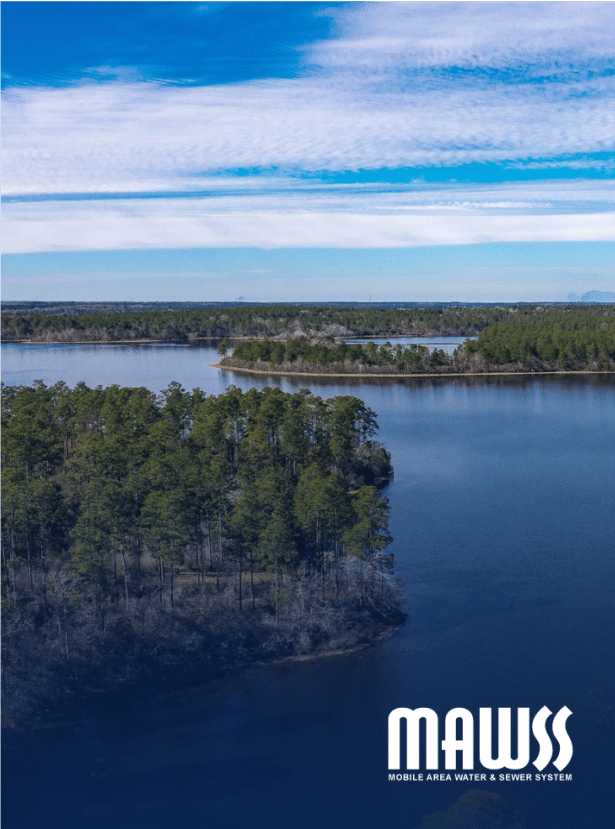
Data-driven insights: BlueConduit provided MAWSS with accurate Probability of Failure (PoF) analytics for their 1,605-mile water main network.
Tailored risk assessment: The predictive models incorporated key external data like soil type, weather patterns, and pipe material to identify the most at-risk water mains.
Proactive Maintenance Planning: By leveraging BlueConduit’s tools, MAWSS transitioned from reactive repairs to a proactive approach, enabling more efficient resource allocation and reducing the likelihood of future failures.
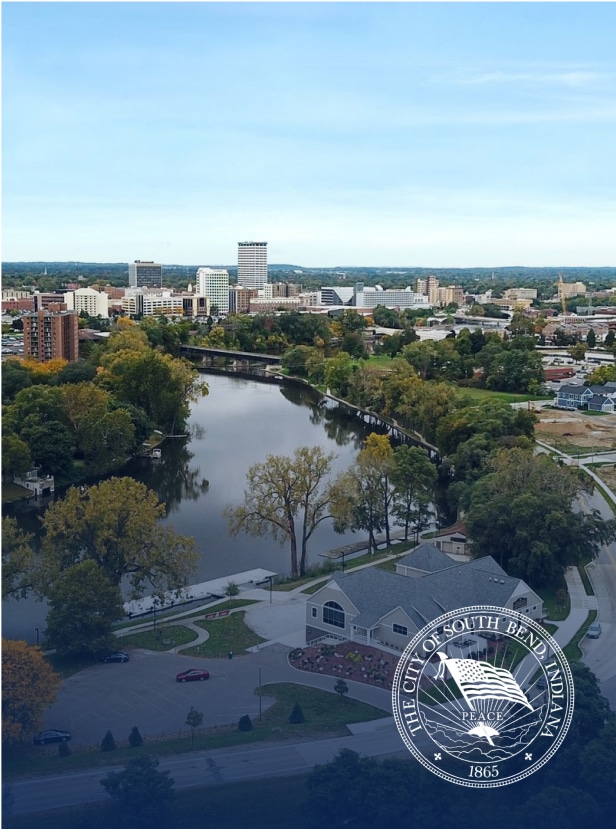
case studies - South Bend, IN
Optimized LSL replacements, saving the city millions.
"We are excited to work with BlueConduit’s service line predictions platform to identify where lead service lines exist so we can proactively educate our customers and develop a plan to replace them.”
Michelle Smith
Director of Water Quality, South Bend Utilities
Resources
BLOG
How software transforms unknown management for lead service lines
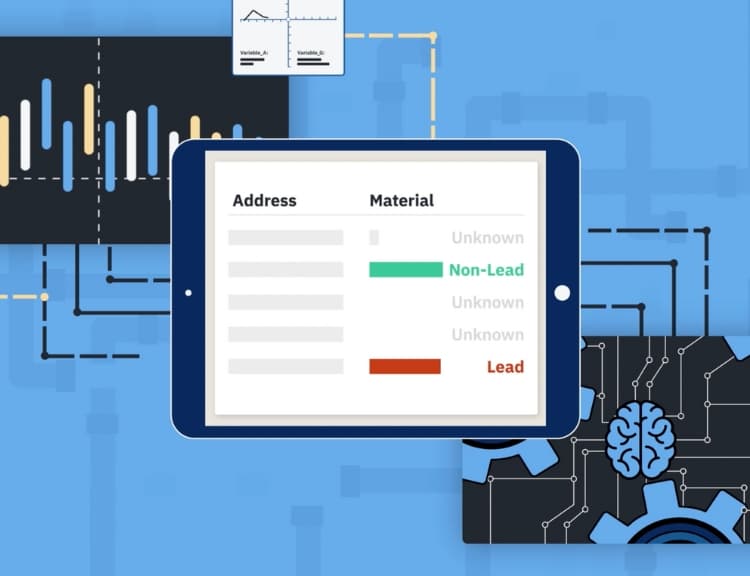
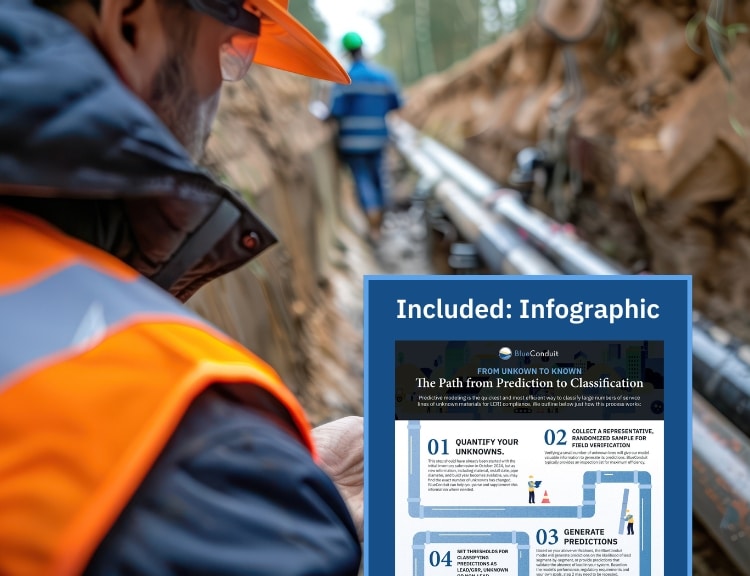
Predictive modeling for smarter lead service line classification
Predictive modeling transforms how water utilities classify service lines—helping you accurately determine Lead vs. Non-Lead materials without unnecessary excavations. Watch the video to see how AI-driven insights empower utilities to prioritize replacements, optimize resources, and meet compliance deadlines.