
Meet the team: Sabrina Calderon

Learn more about Sabrina Calderon of BlueConduit as she shares her career journey, business development philosophy, and the values that shape her work.
Meet the team: Chris Rodriguez
Get to know Chris Rodriguez of BlueConduit as he shares his career journey, business development approach, and the values that guide his work.
Texas approves predictive modeling for LSL

Predictive analytics is now an approved method for LSL inventories in Texas. Discover how this change empowers water systems to save time, reduce disruption, and improve public health outcomes.
CFPUA’s path to lead line replacement

Discover how CFPUA used Esri’s mapping tools to locate and replace galvanized service lines efficiently—an approach that aligns with BlueConduit’s predictive modeling solutions for smarter infrastructure planning.
The power of smart LSL prioritization
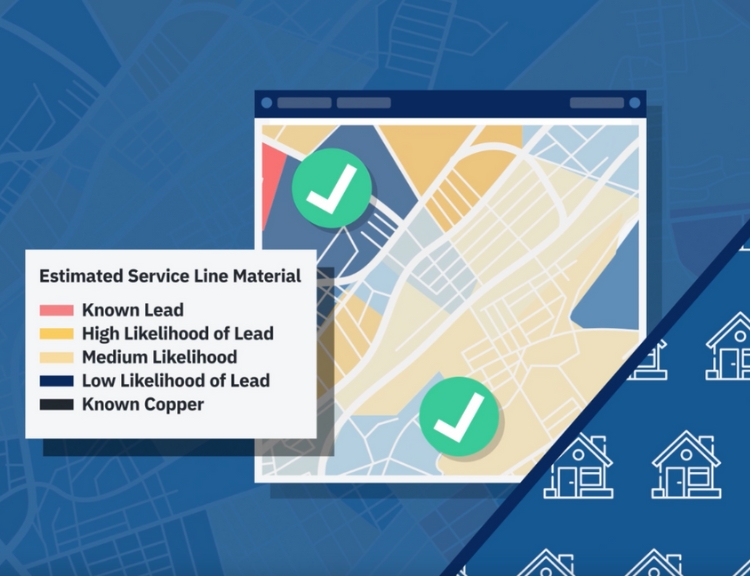
Prioritizing lead service line (LSL) replacements is key to protecting public health, optimizing resources, and maintaining compliance. Learn how data-driven strategies can help utilities make smarter, more impactful decisions. Get started with best practices and the right tools today.
Building strong data for LSL replacement
A robust dataset is the backbone of an effective lead service line (LSL) replacement program. In this post, you will learn what data is needed and how robust data sets you up for success in lead service line replacement planning.
Smarter LSL replacement: best practices
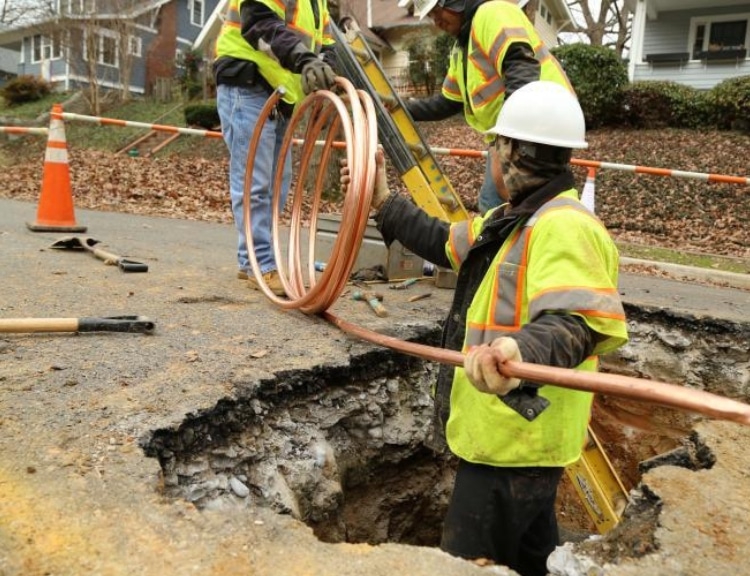
Overwhelmed by lead service line replacements? Our guide, Best Practices for Lead Service Line Replacements, simplifies the process with expert insights on data management, risk prioritization, and compliance. Get started with a smarter, data-driven approach today.
Beyond predictions: optimizing LSL replacement
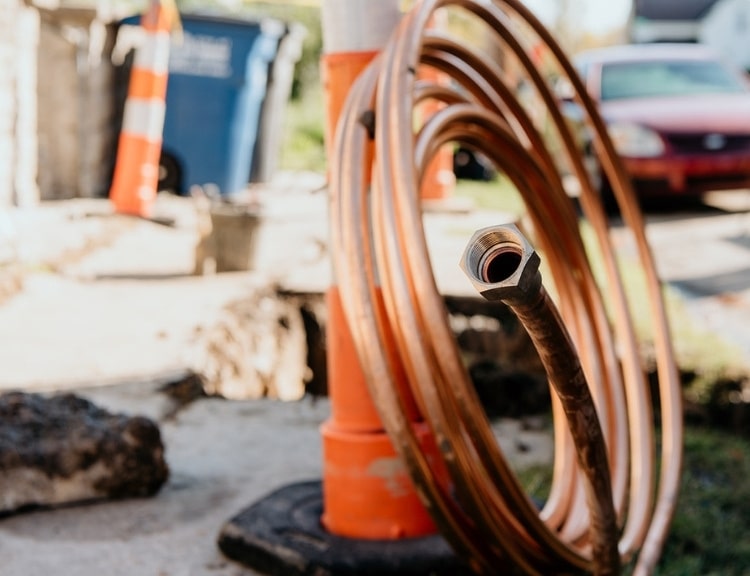
LSL replacement is more than just predictions—it’s about strategic optimization. Discover how BlueConduit’s data-driven approach helps water systems prioritize lead service line replacements efficiently, equitably, and in full compliance with LCRI.
Software-driven management of unknowns
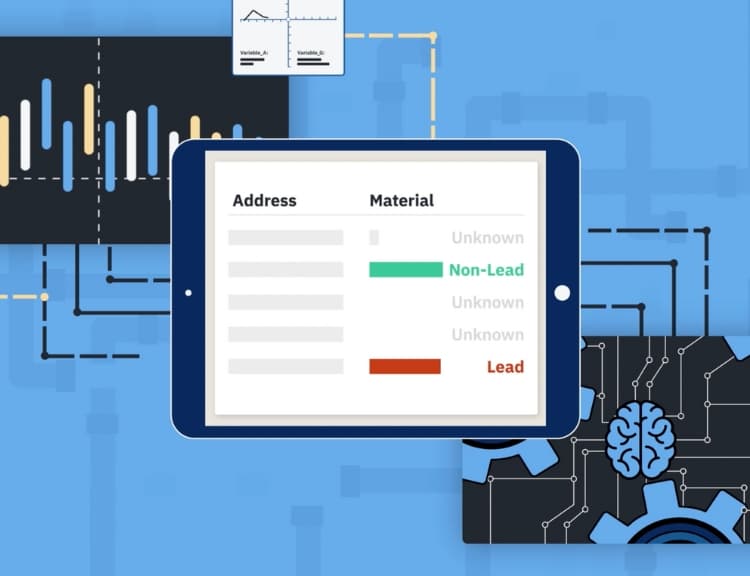
Discover how software is transforming unknown management for lead service lines. Learn how predictive modeling and AI help water systems efficiently classify unknowns, ensure regulatory compliance, and plan for lead service line replacement.
Is Texas water infrastructure at risk?
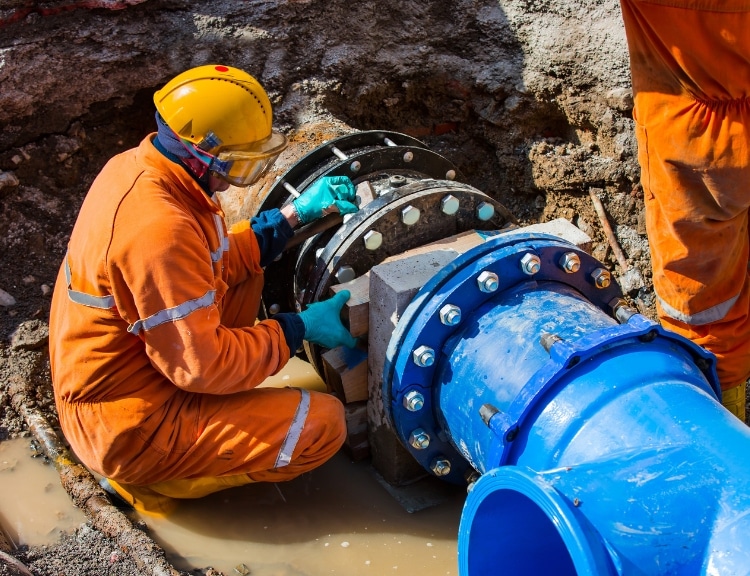
Texas’ water infrastructure is aging and strained, requiring a projected $154 billion investment to meet growing demands and prevent significant economic losses. Learn about the challenges facing Texas water infrastructure and why BlueConduit’s platform is the best option for proactive water management and a more resilient water future.
Predictive modeling with no known lead pipes

Editor’s note: BlueConduit recently hosted a webinar around the process of using predictive modeling to classify unknown service lines. In this series, we detail some of the questions we received. The short answer is, no and it depends. Let’s explore what matters. There are a lot of terms out there – predictive modeling, statistical analysis, […]
Thresholds vs confidence levels explained

Explore confidence intervals and thresholds to understand what each term means, where they apply, and why they matter in predictive modeling for service line classification. Learn how BlueConduit ensures accuracy and defensible decisions in identifying lead service lines.
Des Moines LSL predictive modeling case

Discover how Des Moines Water Works used predictive modeling to classify unknown service lines, reducing uncertainty by 75% in just six months. Read the case study to learn how data-driven insights optimized their LSL inventory.
Should you use a threshold for lead line classification?

We often get asked “Can I use a standard thresholds to classify service line materials as lead or non-lead?” The simple answer is no (unless you operate in a state like North Carolina or Massachusetts that sets standard thresholds in regulatory guidance). Let’s explore why.
How predictive modeling classifies lines
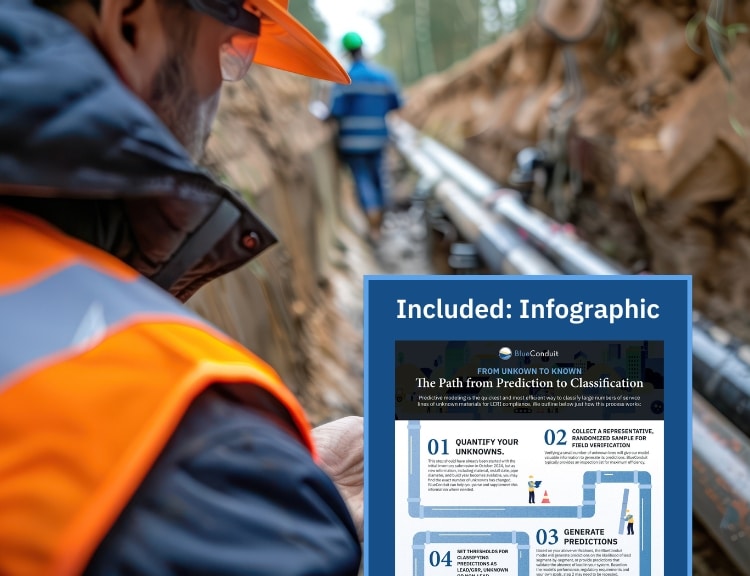
Predictive modeling helps water systems classify service line materials as lead or non-lead with minimal digging. But how does it work, exactly? In the infographic below, BlueConduit’s expert team breaks down the process from unknown to classification of pipe materials using predictive modeling using these 6 steps: Step 1: Identify and quantify your unknowns Step 2: Collect […]
Managing unknown service lines for LCRI
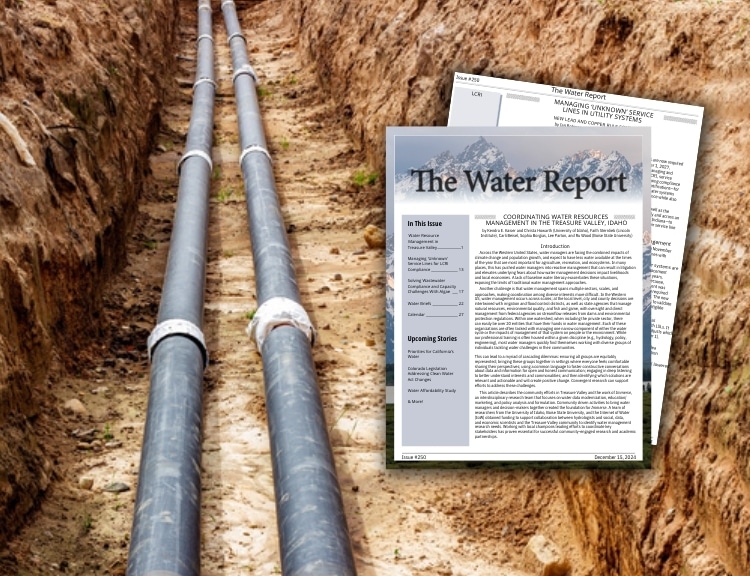
Discover how predictive modeling helps utilities manage unknown service lines for LCRI compliance. BlueConduit’s COO, Ian Robinson, shares insights in The Water Report on reducing compliance burdens and streamlining service line inventories.
Data-driven LSL replacement highlighted

Thank you to Water Finance & Management for featuring BlueConduit in their Water Innovation of the Month series! Read the full post here. The new Lead and Copper Rule Improvements (LCRI) mandates lead service line (LSL) replacement within 10 years. But did you know that the current $15B Bipartisan Infrastructure Law (BIL) allocation for lead […]
LCRI plans: unknowns & prioritization

BlueConduit’s LSL Predictions and new LSL Replacements tools focus on unknown management and LSL replacement prioritization, respectively. This article explores the value of and requirements for unknown management and replacement prioritization in the context of Lead and Copper Rule Improvements (LCRI) compliance and beyond.
Reducing unknowns with predictive modeling

If you have service lines of unknown material in your inventory, there are many reasons to choose predictive modeling to classify these unknown lines: Compliance, feasibility, time and effort are just a few. In this blog post, we’ll highlight the value of predictive modeling to quickly and efficiently reduce the unknowns in your inventory.
Evaluating water main predictive models

Using AI predictive modeling solutions can save water utilities billions of dollars. Predictive modeling for water mains identifies the likelihood of failure for every main, which helps assess risk and enable proactive maintenance and replacement. This article explores the 3 core needs to consider when selecting a predictive modeling solution like BlueConduit for water infrastructure management: the modeling approach, prediction accuracy and explainability, and integration with your everyday tools and processes.
America’s next water crisis? A lack of experienced workers

BlueConduit’s products empower water systems with accurate predictions, decision support, actionable recommendations, and automation—driving greater efficiency and effectiveness. As the industry faces the challenges of the “gray tsunami,” our solutions provide the insights and tools needed to navigate workforce transitions and maintain reliable operations. This blog highlights how climate change and aging infrastructure already threaten […]
Using modeling to meet LCRI requirements
Discover how predictive modeling helps water systems meet state-specific LCRI compliance requirements. Learn how states like Massachusetts, North Carolina, and Ohio approach classification thresholds for lead service lines and how BlueConduit supports utilities in making defensible, data-driven decisions
New tool for LSL replacement planning
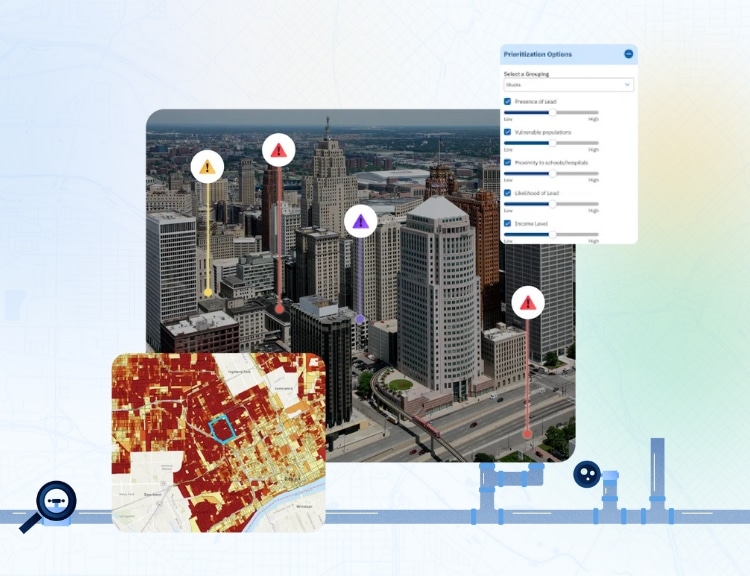
New Esri-integrated software enables data-driven prioritization, planning, and tracking in compliance with the Lead and Copper Rule Improvements (LCRI)
Clustering LSLs to prioritize replacement

What is data clustering and why is it important for LSL replacements? Learn more about why grouping data into larger locations is important for lead pipe replacement and how BlueConduit’s new LSL Replacements tool can help.
Proactive maintenance for small mains
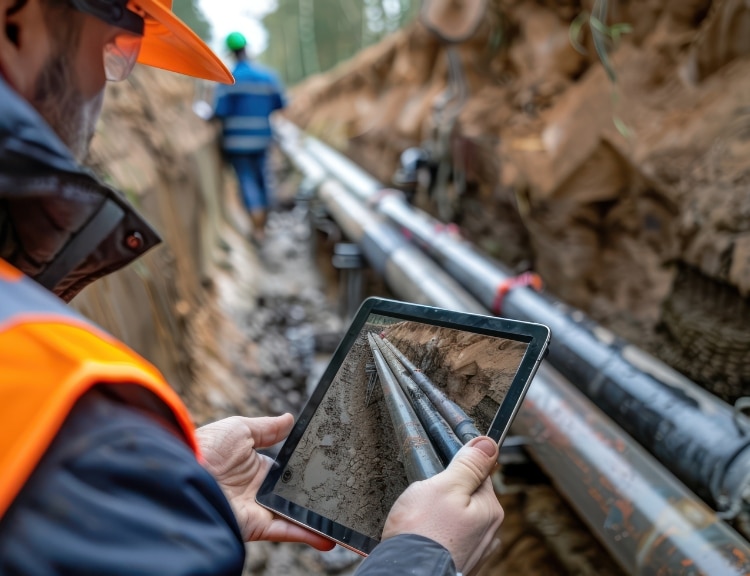
Learn why a proactive management approach matters for small diameter water mains and how predictive modeling can help identify those small diameter mains that are most likely to fail. This article highlights BlueConduit’s Water Main Predictions software and the Mobile Area Water and Sewer System’s (MAWSS) work to proactively manage small diameter water mains.
How predictions shape line classification

What does it mean to use predictive modeling to classify lines in your service inventory as lead lines or non-lead? We review the process behind generating predictions from your data and what it means for you.
Prioritizing LSL replacement strategies
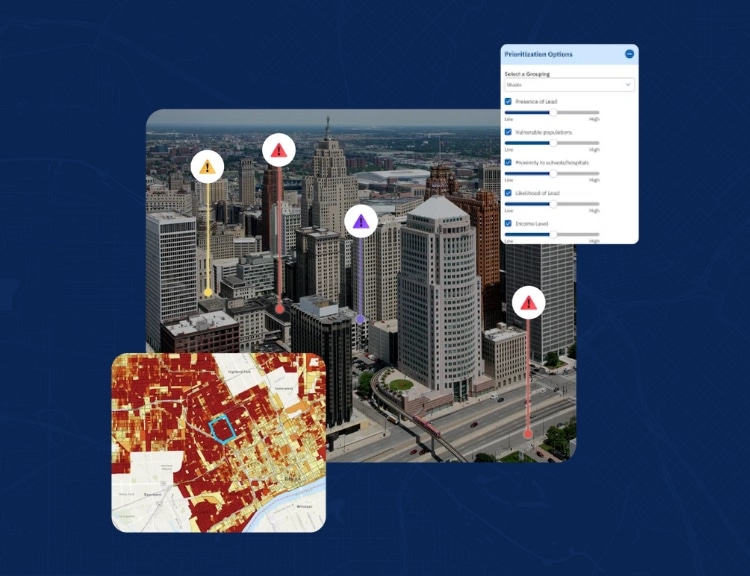
Learn why data-driven replacement prioritization matters when it comes to lead service lines and how BlueConduit’s new LSL Replacements tool manages prioritization.
Planning LSL replacements with BlueConduit

Learn from BlueConduit CEO, Lorne Groe, about the LSL Replacements tool for optimizing lead service line replacements to maximize public health outcomes, economic efficiency, and other local needs.
Managing water infrastructure risk in Alabama
Did you know that Alabama’s drinking water infrastructure got a grade of C- on the most recent Report Card for Alabama’s Infrastructure? This 2022 report card provides clear and specific recommendations for improving the C- grade for drinking water, including: “Provide resources for infrastructure asset mapping…computerized preventative maintenance and asset management planning, and long-range strategic […]
Colorado’s water crisis: 20,000 lead pipes must be replaced
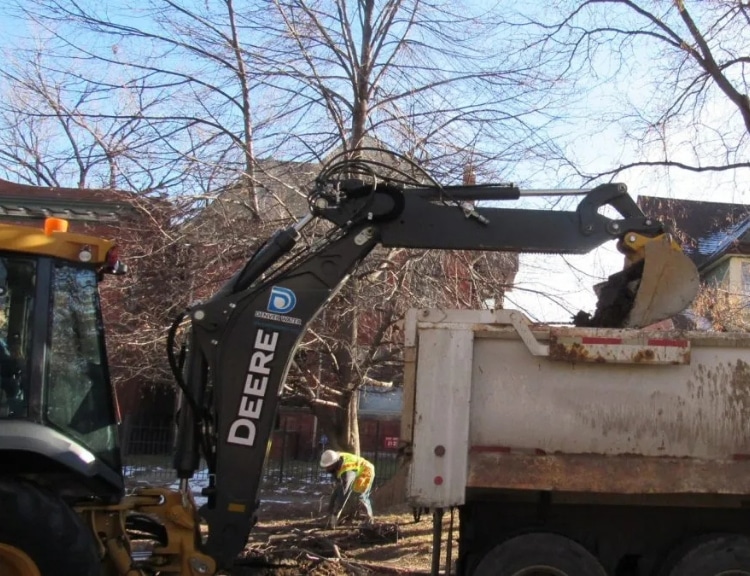
Lead service line replacements are a pressing issue for the water industry, as aging infrastructure continues to pose risks to public health. This blog highlights the challenges faced by Colorado cities as they work to identify and replace lead pipes, underscoring the importance of proactive efforts to ensure safe, clean drinking water for all. Read […]