Curiosity as a catalyst: reflections from WEFTEC 2026
WEFTEC 2026 insights from BlueConduit on how curiosity, AI, and predictive modeling help water utilities solve lead service line challenges.
The only cost effective solution built for systems like yours…and the clock is still on your side

The 2027 LCRI deadline is approaching. See how predictive modeling can help utilities classify unknown service lines faster, with less cost and disruption.
EPA’s new LCRI tips documents: predictive modeling gets a direct endorsement

New EPA LCRI guidance gives utilities a clearer path to using predictive modeling and AI for service line inventories and replacement planning.
Why static spreadsheets won’t cut it anymore

See why static spreadsheets fall short for water utility capital planning and how dynamic planning helps teams adapt priorities, budgets and projects.
What ACE taught me about the quiet crisis underneath every city

Key takeaways from AWWA ACE26, with insights from BlueConduit’s Chris Rodriguez on the future of water infrastructure.
Heading to ACE26: what’s on our mind at BlueConduit
The Walter E. Washington Convention Center is about to become the most important room in water infrastructure. AWWA’s Annual Conference and Exposition, June 21 through 24 in Washington D.C., is where the people actually doing this work come together. Engineers, utility directors, capital planners, regulators. All in one place, asking the same question they always […]
The November 2027 LCRI deadline: what utilities need to know

Utilities face a critical LCRI compliance deadline on November 1, 2027. Learn what must be submitted, why unknown service lines matter, and how predictive modeling can help.
What happens when lead is found during an inspection?

Discover how no-lead and low-lead statistical analyses account for unexpected lead findings, confidence intervals, and uncertainty under LCRI.
Predictive modeling for water systems: a human approach
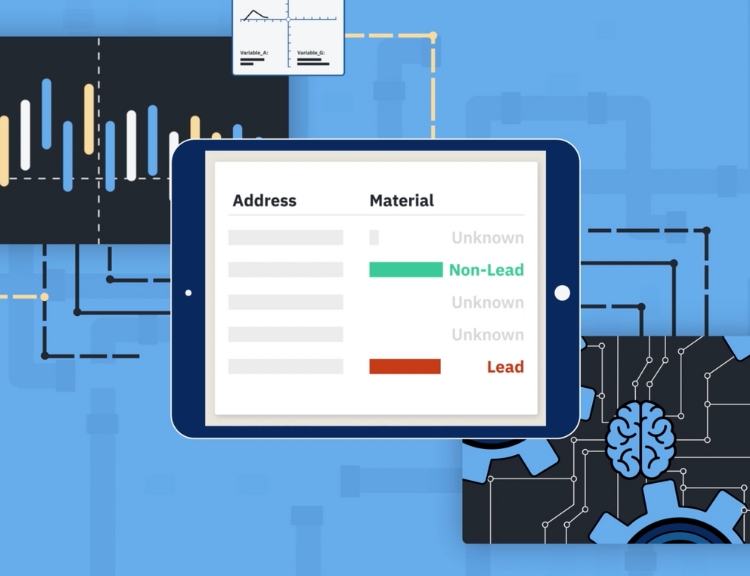
Learn how predictive modeling helps water utilities reclassify unknown service lines, prioritize lead replacement, and reduce costly field investigations.
Lessons from a year in water

From LCRR to long-term planning, this piece explores what real progress looks like for utilities—and why clarity, partnership, and trust matter most.
Meet the team: Sabrina Calderon

Learn more about Sabrina Calderon of BlueConduit as she shares her career journey, business development philosophy, and the values that shape her work.
Making sustainability actionable

Turn sustainability and resilience from buzzwords into actionable systems for smarter, more proactive utility planning.
Meet the team: Chris Rodriguez
Get to know Chris Rodriguez of BlueConduit as he shares his career journey, business development approach, and the values that guide his work.
Turning unknowns into action: insights from an AWWA webinar

See how BlueConduit helps cities turn data uncertainty into action with AI, machine learning, and statistical modeling for faster LCRI compliance.
An open letter to utility leaders
In this open letter to utility leaders, BlueConduit’s VP of Sales and Business Development, Kristy McGrath, explores the “translation gap” between data science innovation and real-world utility challenges — and how true partnership begins by speaking the same language and focusing on impact, not algorithms.
Field notes from WEFTEC 2025
AI is reshaping the water industry, but not without challenges. In this report from WEFTEC 2025, CEO Lorne Groe explores how utilities can navigate the shift from AI 1.0 to AI 2.0 while keeping safety and trust at the center.
What does LCRI require in 2025 and 2026?
Navigate the interim years of LCRI compliance. Learn what water systems must do in 2025 and 2026—from customer notices to state certifications—to reduce unknowns and prepare for the 2027 service line replacement requirements.
Texas approves predictive modeling for LSL
Predictive analytics is now an approved method for LSL inventories in Texas. Discover how this change empowers water systems to save time, reduce disruption, and improve public health outcomes.
CFPUA’s path to lead line replacement

Discover how CFPUA used Esri’s mapping tools to locate and replace galvanized service lines efficiently—an approach that aligns with BlueConduit’s predictive modeling solutions for smarter infrastructure planning.
The power of smart LSL prioritization
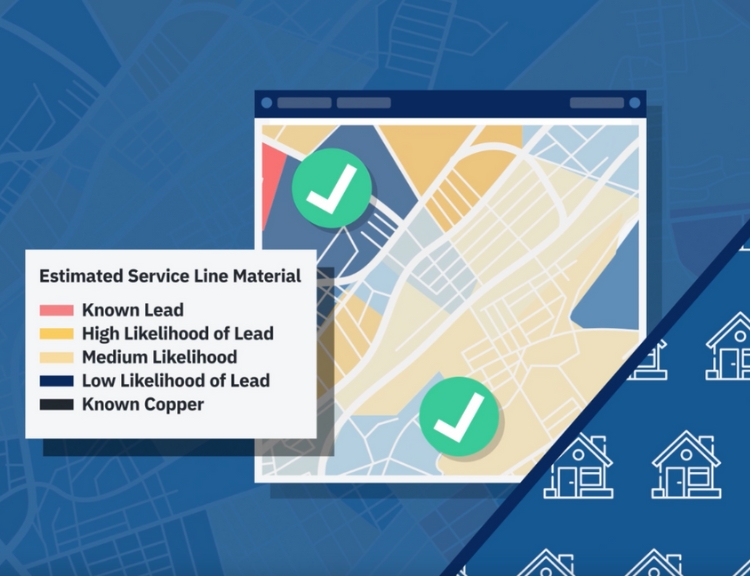
Prioritizing lead service line (LSL) replacements is key to protecting public health, optimizing resources, and maintaining compliance. Learn how data-driven strategies can help utilities make smarter, more impactful decisions. Get started with best practices and the right tools today.
Building strong data for LSL replacement
A robust dataset is the backbone of an effective lead service line (LSL) replacement program. In this post, you will learn what data is needed and how robust data sets you up for success in lead service line replacement planning.
Smarter LSL replacement: best practices
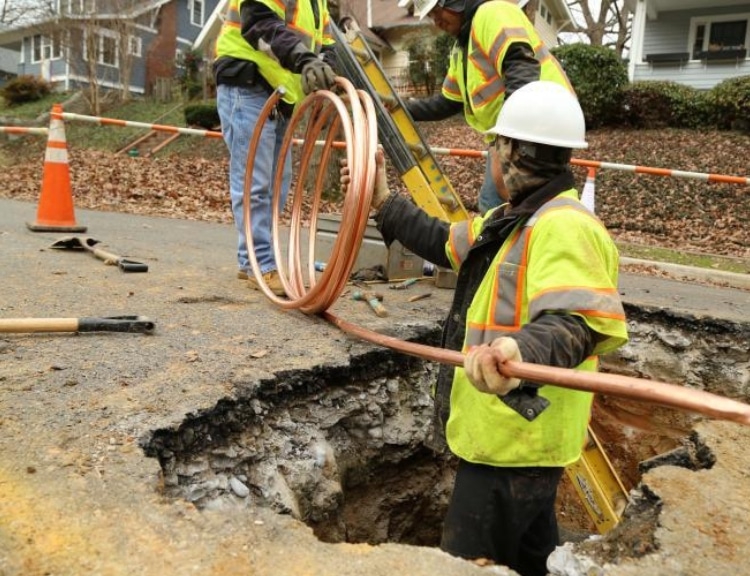
Overwhelmed by lead service line replacements? Our guide, Best Practices for Lead Service Line Replacements, simplifies the process with expert insights on data management, risk prioritization, and compliance. Get started with a smarter, data-driven approach today.
Beyond predictions: optimizing LSL replacement
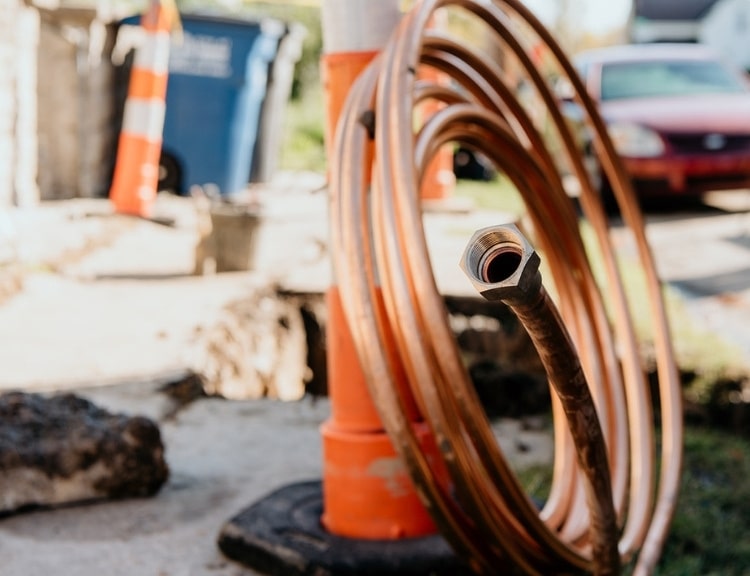
LSL replacement is more than just predictions—it’s about strategic optimization. Discover how BlueConduit’s data-driven approach helps water systems prioritize lead service line replacements efficiently, equitably, and in full compliance with LCRI.
Software-driven management of unknowns
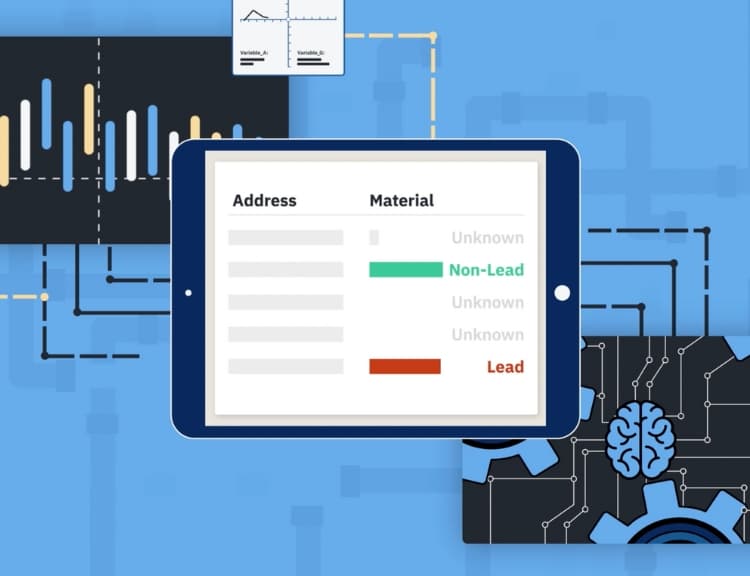
Discover how software is transforming unknown management for lead service lines. Learn how predictive modeling and AI help water systems efficiently classify unknowns, ensure regulatory compliance, and plan for lead service line replacement.
Is Texas water infrastructure at risk?
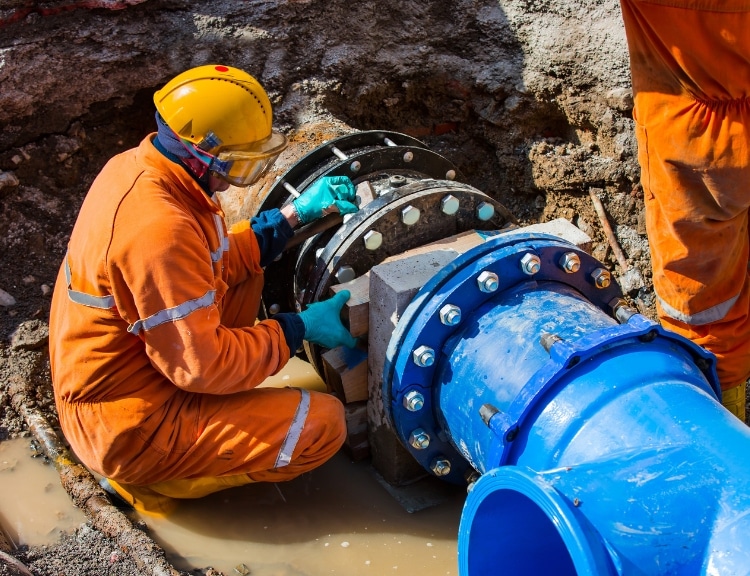
Texas’ water infrastructure is aging and strained, requiring a projected $154 billion investment to meet growing demands and prevent significant economic losses. Learn about the challenges facing Texas water infrastructure and why BlueConduit’s platform is the best option for proactive water management and a more resilient water future.
Predictive modeling with no known lead pipes

Editor’s note: BlueConduit recently hosted a webinar around the process of using predictive modeling to classify unknown service lines. In this series, we detail some of the questions we received. The short answer is, no and it depends. Let’s explore what matters. There are a lot of terms out there – predictive modeling, statistical analysis, […]
Thresholds vs confidence levels explained

Explore confidence intervals and thresholds to understand what each term means, where they apply, and why they matter in predictive modeling for service line classification. Learn how BlueConduit ensures accuracy and defensible decisions in identifying lead service lines.
Des Moines LSL predictive modeling case

Discover how Des Moines Water Works used predictive modeling to classify unknown service lines, reducing uncertainty by 75% in just six months. Read the case study to learn how data-driven insights optimized their LSL inventory.
Should you use a threshold for lead line classification?

We often get asked “Can I use a standard thresholds to classify service line materials as lead or non-lead?” The simple answer is no (unless you operate in a state like North Carolina or Massachusetts that sets standard thresholds in regulatory guidance). Let’s explore why.
How predictive modeling classifies lines
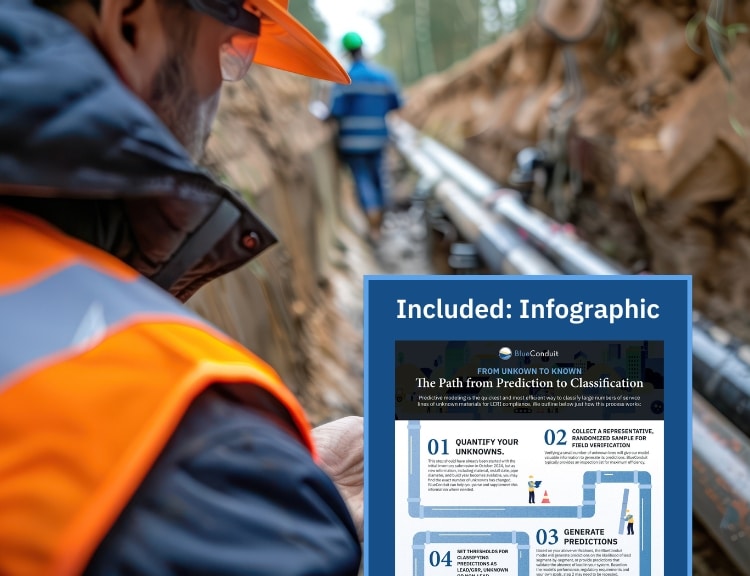
Predictive modeling helps water systems classify service line materials as lead or non-lead with minimal digging. But how does it work, exactly? In the infographic below, BlueConduit’s expert team breaks down the process from unknown to classification of pipe materials using predictive modeling using these 6 steps: Step 1: Identify and quantify your unknowns Step 2: Collect […]