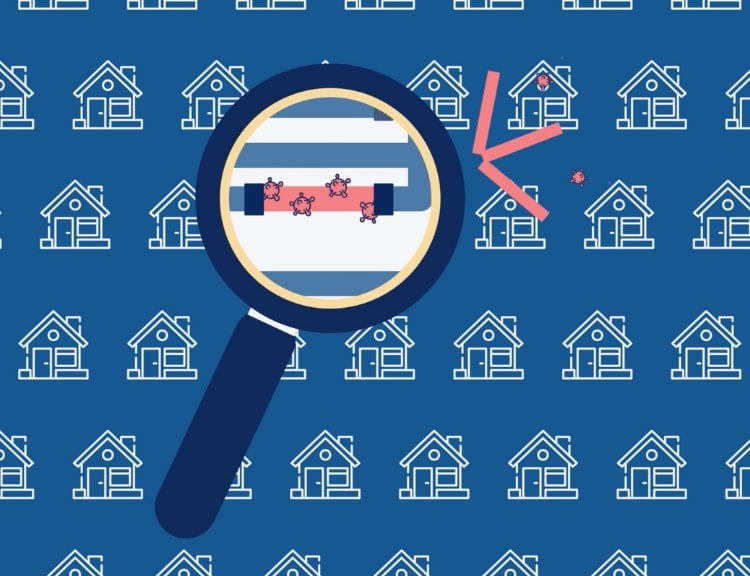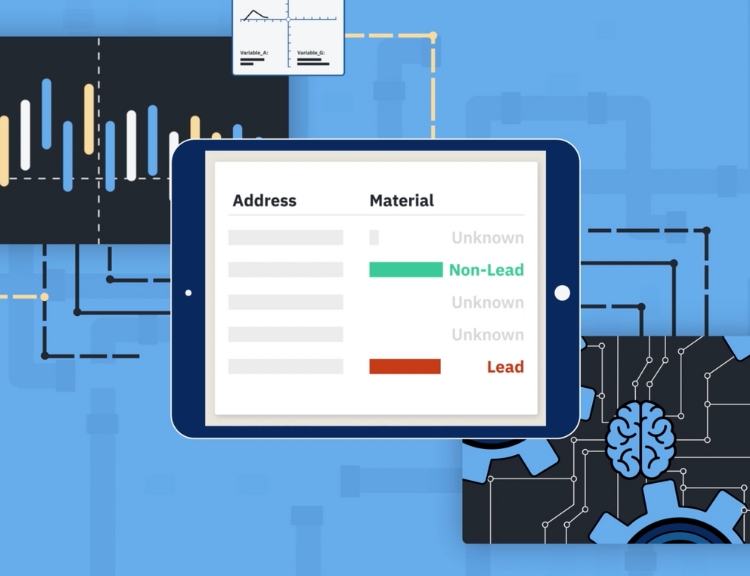

Advanced statistical or machine learning methods to estimate unknown conditions and anticipate outcomes to reach high accuracy to reclassify inventory in a data driven yet seamless manner. In water systems, this often means combining parcel data, historical records, representative field investigations and other demographic and environmental indicators to create a probabilistic model of service line materials and system risk.
What I have found by talking to data scientists and experts in modeling, by layering these datasets, utilities can reclassify unknown service lines, prioritize lead service line replacement, and strategically target field verification with minimal field investigation. Instead of manually potholing every unknown location, predictive modeling delivers similar or often better results in a way that is far more time efficient, labor efficient, and cost effective, while still improving accuracy as new data is collected.
Working in sales and business development in the water industry has completely reshaped how I view technology. I spend my days in conversations with utility leaders, engineers, and operators who are balancing regulatory pressure, limited staff, and public responsibility. What genuinely excites me about predictive modeling is that it strengthens human expertise and gives utilities more control over how they move forward!
Before diving into my personal reflection of this methodology, I’d like to approach the facts first. Predictive modeling is the use of historical data, system characteristics, and cost effective, while still improving accuracy as new data is collected.
To me, this is a clear example of technology enhancing the human experience and responsibility rather than eradicating it. In order to remove ambiguity, we need to spread more education on how technology wants to enhance a human’s expertise not replace it.
From what I have observed from the field:
After speaking with hundreds of utilities across different states, system sizes, and regulatory environments, one thing has become very clear. Predictive modeling is an opportunity for utilities to be in control of and proactive instead of reactive.
Many conversations begin with hesitation. Teams worry about disruption or about technology undermining decades of experience. To be honest, that hesitation makes sense. Anything new introduces uncertainty, and uncertainty can be uncomfortable. This is where education becomes powerful. Once utilities understand how predictive modeling works and how it supports their expertise rather than replaces it, those same teams often become the ones who lead the way.
This is not about reducing human effort. It is about using human effort more wisely. Predictive modeling helps utilities allocate time, labor, and internal resources based on data backed insight rather than guesswork. It gives teams the ability to explain why they are prioritizing certain areas and to defend those decisions with added credibility.
I have seen how this shift changes internal conversations. Utilities move from reacting to compliance pressure to planning strategically. They stop chasing unknowns blindly and start focusing on where their expertise has the greatest impact. I see predictive modeling as a moment for the industry to pause and re-evaluate the tools it has relied on for years. Not because those tools were wrong, but because the challenges have evolved.
To adopt new methodology is not to abandon experience. It is to build on it. It creates something more progressive, efficient, and accurate. It invites utilities to ask better questions about how data is used, how resources are allocated, and how systems are prepared for long term sustainability!
From my perspective, collaboration matters here. Sharing data, insights, and best practices across utilities strengthens the industry as a whole and ultimately benefits the communities these systems serve. What I consistently see is momentum. Utilities gain clarity. They can clearly articulate their methodology to regulators and internal stakeholders and move forward with confidence rather than pressure. This is why BlueConduit, specifically, has helped over 350+ cities and utilities…because we are creating what’s next and tagging you along every step of the way!
My business development perspective:
One of the most important realizations I have had in this role is that predictive modeling does not remove accountability. It sharpens it. People still make decisions. Engineers still validate findings. Operators still do the work. What changes is the quality of information guiding those decisions and it adds a community effort to lower this public health issue and allocate resources where it is most needed. Predictive modeling respects the responsibility water professionals carry and gives them better tools to carry it well.
As a Gen Z professional in the workforce, this hybrid methodology represents a future where technology and human expertise work hand in hand. It allows utilities to evolve intentionally, share resources, and build systems that are more accurate, efficient, and sustainable. I’m happy to represent BlueConduit’s innovative vision because this work matters. It is practical, human, and forward looking. Predictive modeling is not about replacing people! It is about empowering them to do more meaningful work with better insight and confidence in a future that demands progress and growth! Cheers to innovation and data driven insights. Hope to explain more on a call with you soon 🙂
Better insight leads to better decisions.
Contact us to discuss how predictive modeling can help your team focus effort where it matters most.