BlueConduit partners with Mobile, AL for No Lead Validation

Mobile Area Water & Sewer System (MAWSS) has selected BlueConduit’s innovative Lead Service Line Predictions solution to validate the absence of lead in their system and reduce the number of unknown service lines in advance of the October LCRR compliance deadline.
Why water main risk management matters now

Discover why water main risk management is crucial now, with insights from the latest study on break rates in the USA and Canada. Learn key findings and proactive strategies to safeguard our water infrastructure.
How predictive modeling improves Condition Assessments

Discover how predictive modeling is transforming condition assessments for water mains, improving efficiency, and pinpointing risks with precision.
Virginia accepts BlueConduit LSL modeling

BlueConduit is excited to announce that the Virginia Office of Drinking Water (ODW) approved our Predictive Modeling approach to support service line inventory development and material classification, enabling BlueConduit-supported water systems to use predictive modeling to classify “unknown” service lines for their LCRR inventory.
Understanding GRR in LCRR inventories
For Service Line Inventories, water systems are required to identify galvanized-requiring-replacement (GRR) service lines in addition to Lead, Non-Lead, and Unknowns. Explore why GRR matters for public health, the EPA definition of GRR, and how to efficiently and accurately tackle GRR for your Service Line Inventory.
BlueConduit CEO on predicting water mains

BlueConduit CEO Lorne Groe talks about the new AI-enabled water main predictions product, moving into predictive and decision analytics beyond lead service lines, and what’s coming next for BlueConduit.
How predictive modeling helps you manage your water mains
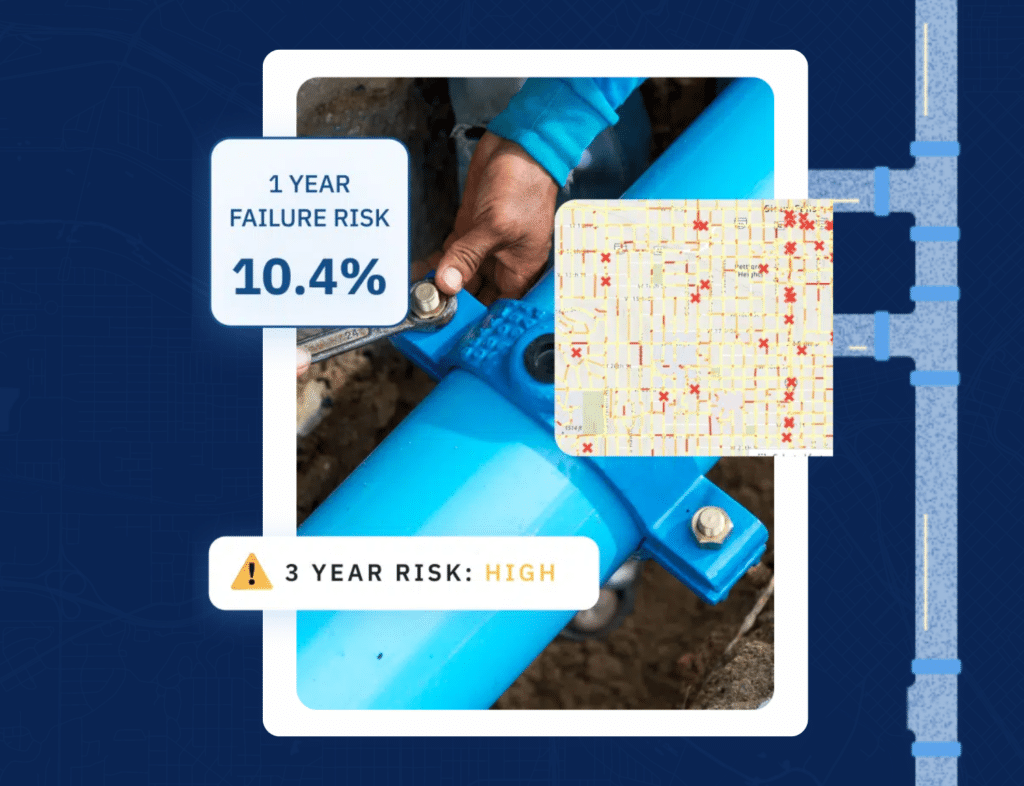
Water system managers are constantly making decisions about how to assess, maintain, and replace their water mains. AI and predictive modeling can fill in gaps in your data, with high accuracy, enabling improved Condition Assessments, the ability to access adequate resources, and the tools you need to get ahead of growing needs as infrastructure ages.
Defining AI & predictive modeling
Explore a Q&A with BlueConduit’s VP of Data Science, Alice Berners-Lee, as she defines AI, predictive modeling, and statistical analysis. Gain insights into the expertise of BlueConduit’s data science team in this edited and condensed interview.
5 key benefits of BlueConduit’s Inspection Manager
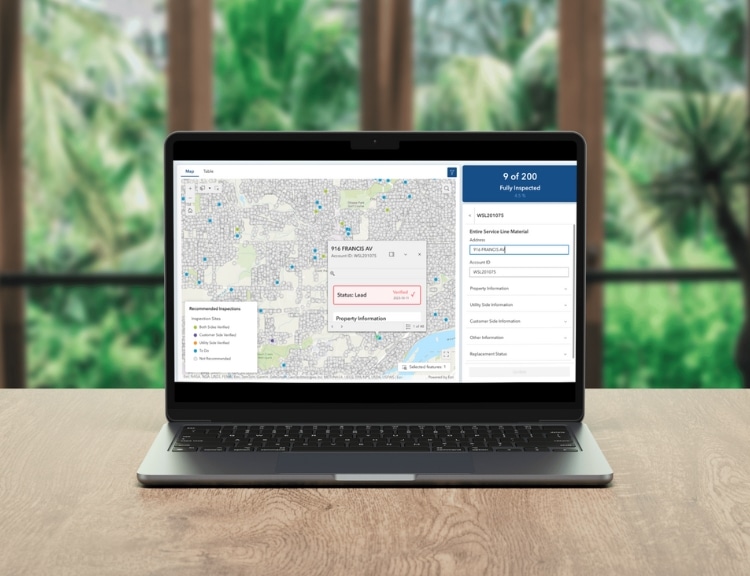
Discover the top 5 benefits of BlueConduit’s Inspection Manager, a powerful tool that streamlines water system inspections and enhances team communication. Learn how it can optimize your inspection process and uncover features you may not know about.
Managing customer-owned lines for LCRR
When it comes to LCRR compliance, the inventory submission must include the materials on both the public and private side of the line. That can be easier said than done when it comes to classifying materials on the private side.
Funding options for private LSL replacement

As water utilities start thinking about next steps for inventory management and replacement planning for unknowns and known lead service lines, they’ll need to consider the cost of replacement on both the public and private side of the line – a costly venture for utilities and homeowners alike.
What if states lack LCRR modeling guidance?
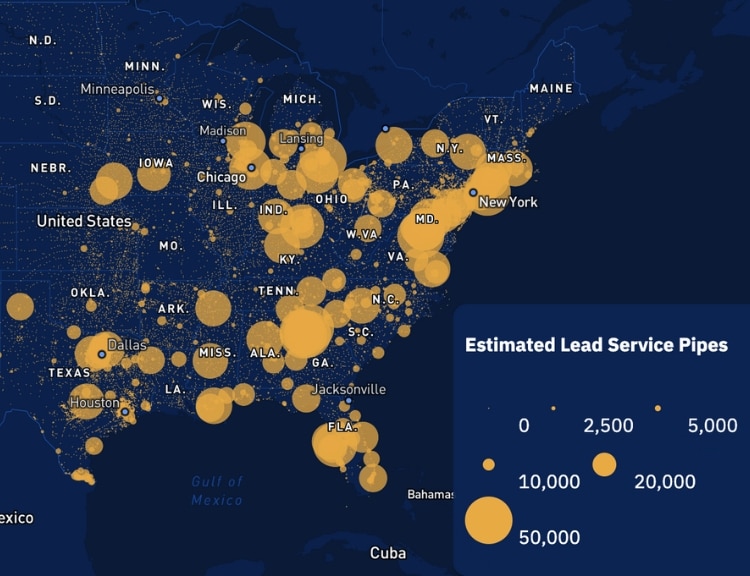
The EPA’s guidance for LCRR includes predictive modeling and statistical analysis as acceptable methods for service line classification in your inventory. While the EPA does provide some specifics on what to look for in predictive models, they left it up to the individual states to decide what is specifically needed for inventory submission and how those specifics are achieved.
Does lead have to exist for predictive modeling to work?
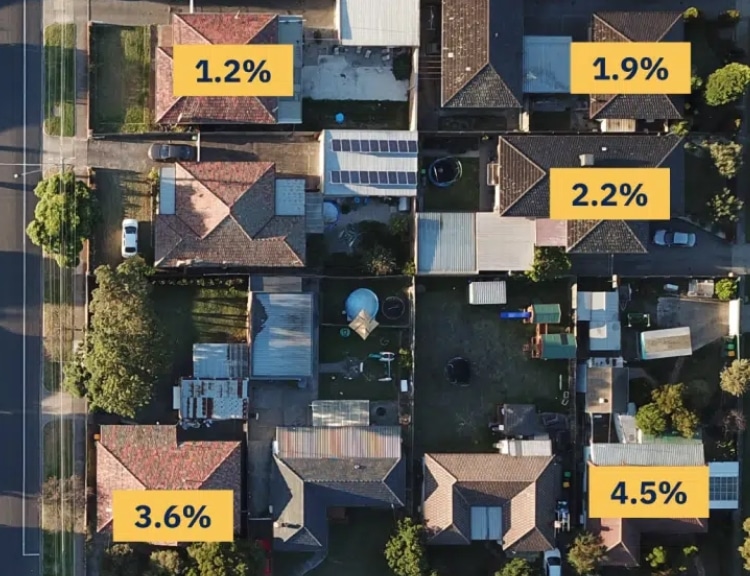
Using predictive modeling as it relates to identifying the likelihood of lead service lines can feel like a daunting task.
Defining accuracy in data science
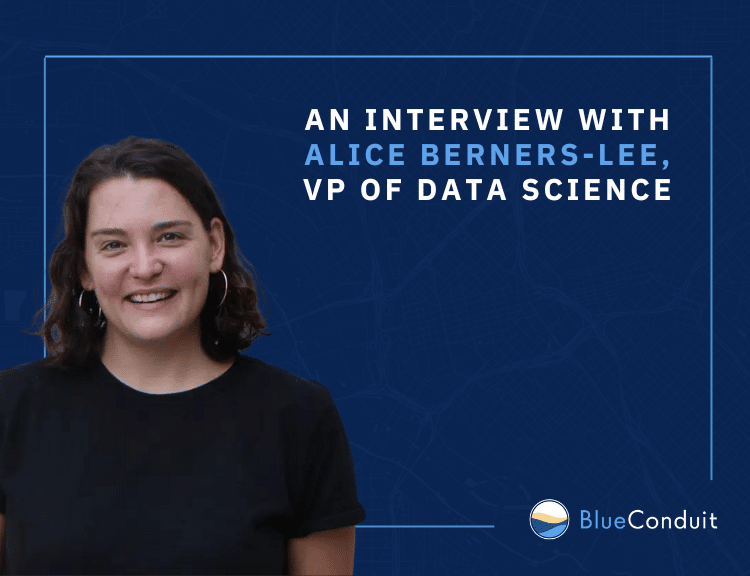
Explore BlueConduit’s approach to predictive modeling accuracy in an interview with Alice Berners-Lee, VP of Data Science. Insights from the experts, edited for clarity.
How BlueConduit uses AI & modeling

Discover how BlueConduit leverages AI, predictive modeling, and statistical analysis to drive innovative solutions and data-driven insights for water systems across the country.
Validating no-lead status statistically
Learn how to statistically validate no lead or low lead levels in service line inventories to ensure compliance with regulations.
Meet BlueConduit’s policy experts

Get to know the national experts guiding BlueConduit’s EPA and state regulator engagement, LCRR Service Line Inventory compliance process, and technology development.
Helping utilities meet EPA inventory rules
BlueConduit has a robust process to help customers manage state-specific Service Line Inventory requirements which includes engagement with regulators, custom state compliance reviews for each customer, and technology to build state-compliant Service Line Inventory data and forms.
Biden announces $3B for lead pipe removal
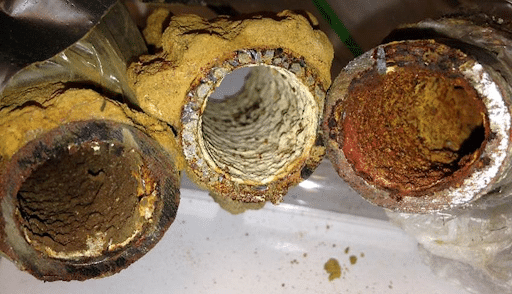
Last week, alongside BlueConduit partner Cape Fear Public Utility Authority (CFPUA) in Wilmington NC, President Joe Biden announced $3 billion in funding to replace lead pipes. This funding “is part of the historic $15 billion in dedicated funding for lead pipe replacement provided by the President’s [2021] Bipartisan Infrastructure Law” and included the announcement of […]
Sampling methods for LSL inventories

There are two approaches used to obtain a representative data sample for predictive modeling: uniform random sampling and stratified random sampling. BlueConduit co-founder Eric Schwartz explains the 2 approaches as well as BlueConduit’s sampling approach.
Working with state regulators on LSLI

In 2020, BlueConduit’s expert Data Science and Policy teams literally wrote the book on statistical and predictive methods for LSL inventory and replacement. As the October 2024 LSLI compliance deadline approaches, BlueConduit continues to engage with regulators on behalf of our customers, with a focus on partnering with state regulators to ensure all BlueConduit customers have state- and EPA-compliant LSLIs ready to submit ahead of the compliance deadline. What does this process look like?
Managing unknowns before LCRR deadline
Unknown management isn’t a compliance requirement for October 2024 but, for the purposes of LCRR/LCRI compliance, service lines of unknown material are treated as presumed lead. Water systems that delay active identification of unknowns in their LSLI risk increased compliance requirements in the coming years leading to increased time, cost, and community pressure around lead identification and remediation.
North Carolina LSLI modeling guidance
North Carolina’s Department of Environmental Quality (NCDEQ) recently released updated Lead Service Line Inventory (LSLI) Guidance that outlines the requirements for utilizing statistical methods and predictive modeling to classify service line materials. What does this mean for North Carolina-based water utilities?
Meet The Team: Tyler Harmon

Tyler is BlueConduit’s Delivery Project Manager. Get to know Tyler through this quick Q&A.
BlueConduit awarded Sourcewell contract
BlueConduit is pleased to announce it has been awarded a contract from Sourcewell, a cooperative government procurement agency. The contract is for Water Service Line Inventory and Management Systems with Related Services and was awarded following a rigorous request for proposal process resulting in contracts that meet, or exceed, local procurement requirements.
California accepts BlueConduit analysis
The California State Water Resources Control Board’s Division of Drinking Water (DDW) approved BlueConduit’s statistical methods approach to no-lead verification, enabling BlueConduit-supported water systems to use statistical analysis to classify unknown service lines as non-lead.
State requirements for LSL inventories
We started this series discussing the LCRR Lead Service Line Inventory compliance requirement for October 16, 2024. In this post, we shared that “some states have adopted the EPA template exactly while other states have modified the template to meet additional state-specific requirements.”
Statistical methods for low-lead systems
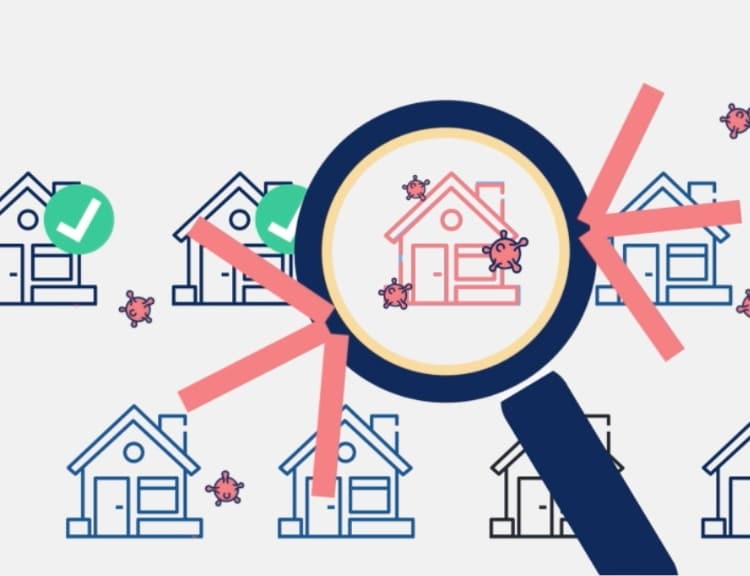
Discover the power of statistical methods in enhancing low lead (and no lead) water systems. BlueConduit’s team dives deep into the role statistics play in ensuring water safety, exploring solutions for minimizing lead levels and maximizing public health protection.
Florida DEP Approves Predictive Modeling for LSLI
Florida Department of Environmental Protection (FDEP) recently released updated Lead Service Line Inventory (LSLI) Guidance that outlines the approved methods for service line material identification in the LSLI. What does this mean for Florida-based water systems?
Meet the Team: Blair Forcet

Blair is BlueConduit’s Business Development Manager. Get to know Blair through this quick Q&A.